
High-Risk Travel Insurance.
Understanding travel insurance, government travel advice and the additional support travellers may need when visiting higher-risk destinations.
HIGH-RISK TRAVEL INSURANCE
Travelling internationally does not always mean travelling to a destination where standard travel insurance provides exactly the protection you expect. Some destinations, regions, activities and circumstances can fall outside the scope of conventional travel policies, particularly where there is armed conflict, political instability, terrorism or a government warning against travel.
This is where the term high-risk travel insurance is commonly used. Specialist policies can be designed for circumstances that standard travel insurance may exclude, but the precise protection available depends on the insurer, the destination, the reason for travel and the wording of the policy.
It is also important to understand that travel insurance and travel assistance are not the same thing. Insurance is designed to provide financial protection against defined events. Assistance is about the practical support available when something happens during a journey.

Global Reach
Supporting travellers worldwide.


24/7 Support
Real people, always there when you need us.
English & Arabic
Bilingual support from our operations centre.

Built by Professionals
Travel risk specialists with real-world experience
What is high-risk travel insurance?
High-risk travel insurance generally refers to specialist insurance arranged for journeys where the destination, circumstances or activities present risks that may not be covered by a conventional travel policy. A standard travel insurance policy may provide cover for unexpected medical treatment, cancellation, lost baggage and other common travel problems. However, policies can contain exclusions relating to war, terrorism, civil unrest, certain activities or travel to destinations where a government advises against travel.
Specialist high-risk policies can be structured differently. Depending on the policy and underwriting, they may provide cover for circumstances such as medical evacuation, repatriation, security evacuation, political violence, terrorism or other risks associated with higher-risk environments. The important point is that “high risk” is not a universal insurance classification. There is no single list of high-risk countries that automatically determines whether a policy will or will not respond. Insurers use their own underwriting criteria and policy wording, and government travel advice may form part of that assessment.
Does standard travel insurance cover high-risk countries?
Sometimes, but it should never be assumed. A country can have significant security risks without standard travel insurance automatically becoming invalid. Equally, a policy may contain specific exclusions or conditions that affect cover in particular destinations or regions. The distinction between a country and a particular part of that country is also important. Government travel advice can apply to specific provinces, border areas or regions rather than an entire destination. An itinerary that remains within a major commercial centre may therefore have a different insurance position from one involving travel into a restricted border area.
The safest approach is to look at the actual policy wording before travelling. Government travel advice should also be checked alongside the policy rather than treated as a separate issue.
Does FCDO travel advice affect travel insurance?
For UK travellers, this is particularly important. The Foreign, Commonwealth & Development Office (FCDO) states that travel insurance could be invalidated if you travel against its advice. It also explains that insurers sometimes refer directly to FCDO travel advice within their policies, although the effect depends on the individual policy. (GOV.UK) This does not mean that an FCDO warning automatically invalidates every travel insurance policy. The wording matters.
For example, an insurer may exclude travel to a destination where the FCDO advises against all travel, while another policy may contain a different definition or provide specialist cover subject to additional conditions. FCDO advice can also apply to a particular area within a country rather than the country as a whole. That is why travellers should check both the current government advice and the specific exclusions and conditions within their insurance policy before departure.
What about US travel advisories?
The same principle applies when considering travel advice issued by other governments. The US Department of State uses a four-level Travel Advisory system, ranging from Level 1, “Exercise Normal Precautions”, through to Level 4, “Do Not Travel”. The level is intended to communicate the US government’s assessment of safety and security risks to US citizens, but it is not itself an insurance classification. (USAGov)
An insurer may refer to US, UK or other government travel advice when determining whether particular cover applies. However, the existence of a Level 3 or Level 4 advisory does not by itself tell a traveller whether their individual insurance policy will respond. For international travellers, this is one reason why simply searching for a country’s “travel insurance level” can be misleading. The relevant question is what the policy actually covers, where it applies and what exclusions or conditions have been imposed.
Why can different governments give different travel advice?
Government travel advice is designed for the citizens of that particular country and can reflect different assessments, intelligence, diplomatic circumstances and geographical considerations. Two governments can therefore issue different advice for the same destination without either advisory being an insurance policy classification.
Travel advice can also change quickly. A destination that was considered suitable for ordinary travel when a policy was purchased may subsequently experience conflict, civil unrest, a natural disaster, a major security incident or another significant change in circumstances. For travellers going to destinations where conditions can change rapidly, checking the latest advice before departure is therefore just as important as checking the insurance policy itself.
What can high-risk travel insurance cover?
There is no standard package of benefits that applies to every high-risk travel insurance policy. Specialist cover is normally tailored to the circumstances of the journey and the risks being underwritten. Depending on the policy, cover may include emergency medical expenses and medical evacuation, repatriation, cancellation or curtailment, personal accident and, in some cases, risks associated with political violence, terrorism or war. Security evacuation can also be available under some specialist policies, although this is particularly important to understand because security evacuation and medical evacuation are different services.
A medical evacuation normally responds to a medical necessity and involves moving a traveller to an appropriate medical facility or back to their home country where appropriate. A security evacuation is concerned with removing a traveller from a location because the security environment has deteriorated or presents a serious threat. The circumstances in which an insurer will pay for either service will depend on the policy wording, the trigger for evacuation and the insurer’s authorisation requirements.
Does travel insurance cover evacuation?
Some travel insurance policies include medical evacuation and repatriation as standard benefits. Others may provide security evacuation or crisis-response benefits, particularly where specialist high-risk cover has been arranged.
A genuine emergency may require medical assessment, ground transportation, aircraft or other aviation support, coordination with hospitals, liaison with local authorities and decisions about the safest destination for onward treatment. In a security situation, the available routes, airports, borders and transport infrastructure may also change rapidly. Insurance can provide financial protection for an eligible evacuation. Travel assistance provides the practical coordination required to help make that response happen.
Travel insurance is not travel assistance
Travel insurance and travel assistance are often discussed together, but they perform different functions. Insurance provides financial protection against defined insured events, subject to the terms, conditions, limits and exclusions of the policy. Travel assistance is focused on helping the traveller deal with the situation itself. That can mean helping someone find appropriate medical care, coordinating assistance following an incident, providing security information, supporting disrupted travel arrangements or helping a traveller understand what options are available when circumstances change. For a fuller explanation of the difference, read our guide to Travel Insurance vs Travel Assistance.
For travellers visiting higher-risk destinations, the two can be complementary rather than interchangeable. Having insurance does not necessarily mean having someone available to coordinate practical assistance, and having travel assistance does not provide the financial protection of an insurance policy.
What is travel security assistance?
Travel security assistance provides practical support when a traveller encounters a security-related problem abroad. This can range from helping a traveller understand a developing situation through to coordinating assistance following an incident. Depending on the circumstances, support may involve security advice, local coordination, secure transportation, medical assistance, evacuation planning or assistance with onward movement. This becomes particularly relevant when travelling to destinations where political or security conditions can change quickly.
Global Traveller provides 24/7 medical, security and travel assistance, supported by travel intelligence, real-time alerts and human assistance. It is designed to complement appropriate travel insurance rather than replace it. Read more about Travel Security Assistance Abroad.
What happens if travel advice changes after you book?
This is one of the situations travellers should consider before departure. Government travel advice can change after flights, accommodation and other travel arrangements have already been booked. If the advice changes significantly, the effect on travel insurance will depend on the policy wording and the reason for the change. Some policies may provide cancellation or curtailment cover in defined circumstances. Others may contain exclusions or conditions relating to government travel advice. Some specialist policies may have been specifically arranged to provide cover for destinations where standard insurance is unavailable.
The important point is not to assume that a change in government advice automatically means that a claim will be accepted or rejected. The traveller should check the policy and speak directly with the insurer or assistance provider where necessary.
What about travelling to a conflict zone?
Travel to an active conflict zone presents a very different insurance and assistance environment from ordinary international travel. Standard travel insurance frequently contains exclusions relating to war, terrorism, civil unrest or travel against government advice. Specialist insurance may be available for certain assignments, but this is normally subject to underwriting and clearly defined conditions.
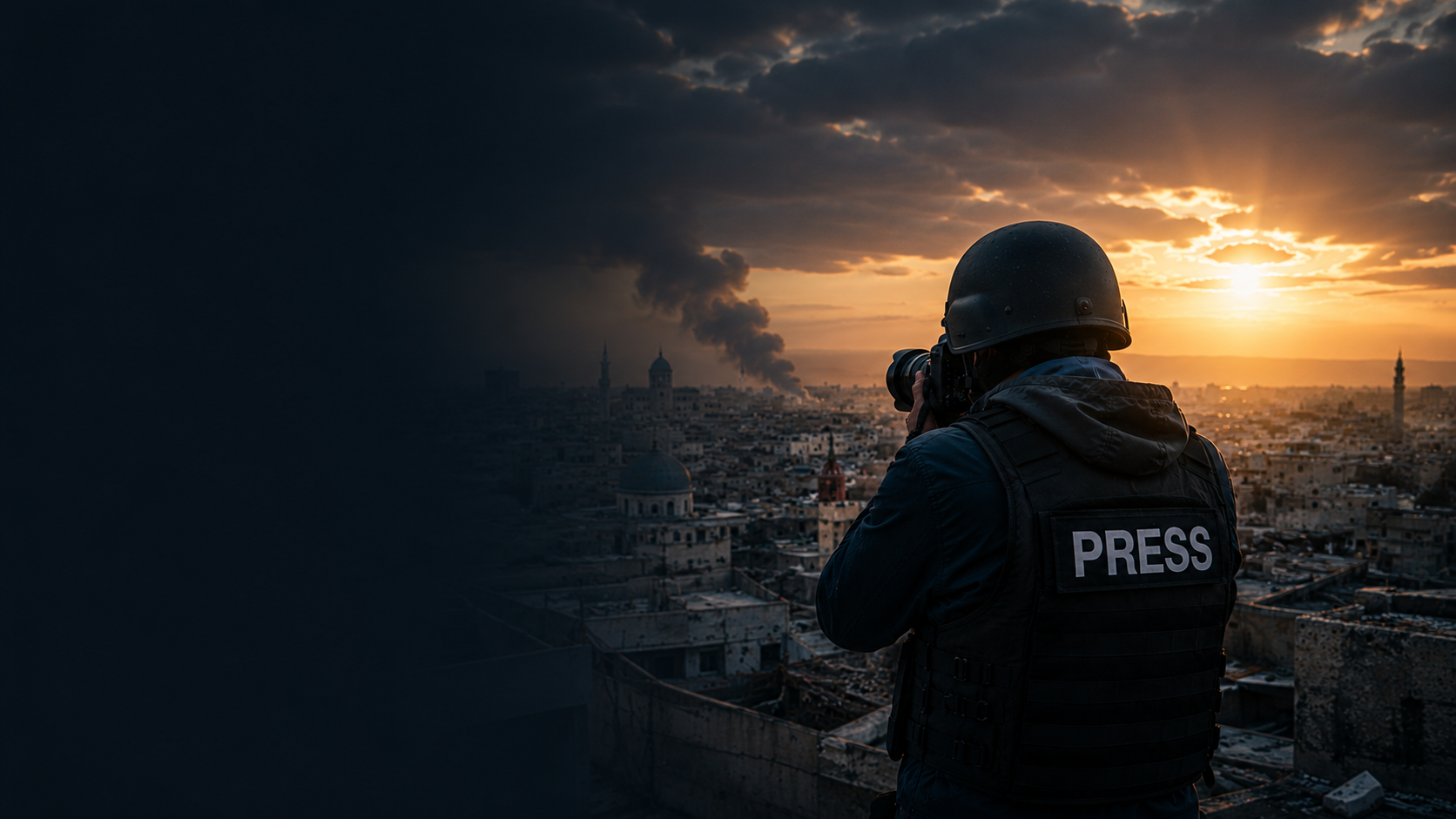
For journalists, humanitarian personnel, contractors, researchers, security professionals and others who may have a legitimate reason to operate in challenging environments, insurance should therefore be considered as part of a broader travel risk management plan rather than in isolation. That plan may need to consider medical capability, communications, accommodation, transportation, local support, emergency contacts, evacuation routes and what happens if the security situation changes while the traveller is already in country.
Do I need high-risk travel insurance?
It depends on where you are travelling, why you are travelling and what your existing policy actually covers. A business trip to a major commercial centre may require a very different level of insurance from an assignment close to an active conflict area. Similarly, travelling into a region subject to government warnings may create different insurance considerations from travelling elsewhere within the same country.
Before travelling, check the current government advice for your destination, read the exclusions within your insurance policy and confirm whether the activities and locations on your itinerary are covered. If there is any uncertainty, speak directly with the insurer before travelling. It is much easier to establish whether appropriate cover is available before departure than after an incident has occurred.
Insurance is only one part of travel preparedness
For travellers visiting higher-risk destinations, appropriate insurance is an important part of preparation, but it is only one part. Knowing how you will obtain medical assistance, who you can contact if the security situation deteriorates, how you will receive reliable information and what practical support is available if flights or borders are disrupted can be equally important. This is particularly true where circumstances can change faster than normal travel arrangements can adapt.
Global Traveller combines travel intelligence with 24/7 human medical, security and travel assistance, helping travellers access practical support when they need it. Membership is not insurance and should not be considered a substitute for appropriate travel, medical or evacuation insurance. The two serve different purposes, insurance can provide financial protection for defined events, while assistance helps provide practical support when something goes wrong.

TRAVEL INTELLIGENCE CENTRE
Guides,insights and advice for smarter travel
Explore the Travel Intelligence Centre for practical guides, traveller advice and in-depth insights designed to help you prepare before departure and make better decisions while abroad.
From airport transit and communications to extreme weather, personal safety, medical issues and travel disruption, the Travel Intelligence Centre brings together useful information for international travellers.