
Airport Security & Transit Guide
Practical guidance for moving through airports, security screening and international connections with fewer surprises.
International airports are designed to move large numbers of people efficiently, but unfamiliar terminals, security procedures, tight connections and immigration requirements can quickly make a simple journey more complicated.
This guide explains what travellers should consider before departure and while in transit, including airport security, connecting flights, baggage, transit visas, overnight layovers and what to do when plans change.
Before You Travel
A smooth airport journey usually starts well before arrival at the terminal. Check which airport and terminal your flight departs from, especially in cities served by multiple airports. Large airports can also have terminals that are effectively separate buildings, sometimes requiring trains, buses or lengthy walks. Review your airline’s check-in requirements and recommended arrival time. International flights commonly require earlier arrival than domestic services, and additional time may be sensible during busy holiday periods, severe weather or known security disruptions.
If you are connecting, look at the full itinerary rather than each flight individually. Confirm whether both sectors are on the same booking, whether baggage will be checked through and whether you need to pass immigration or security again during transit. A connection that looks comfortable on paper can become much tighter once terminal changes and formalities are included.
Understanding Airport Security
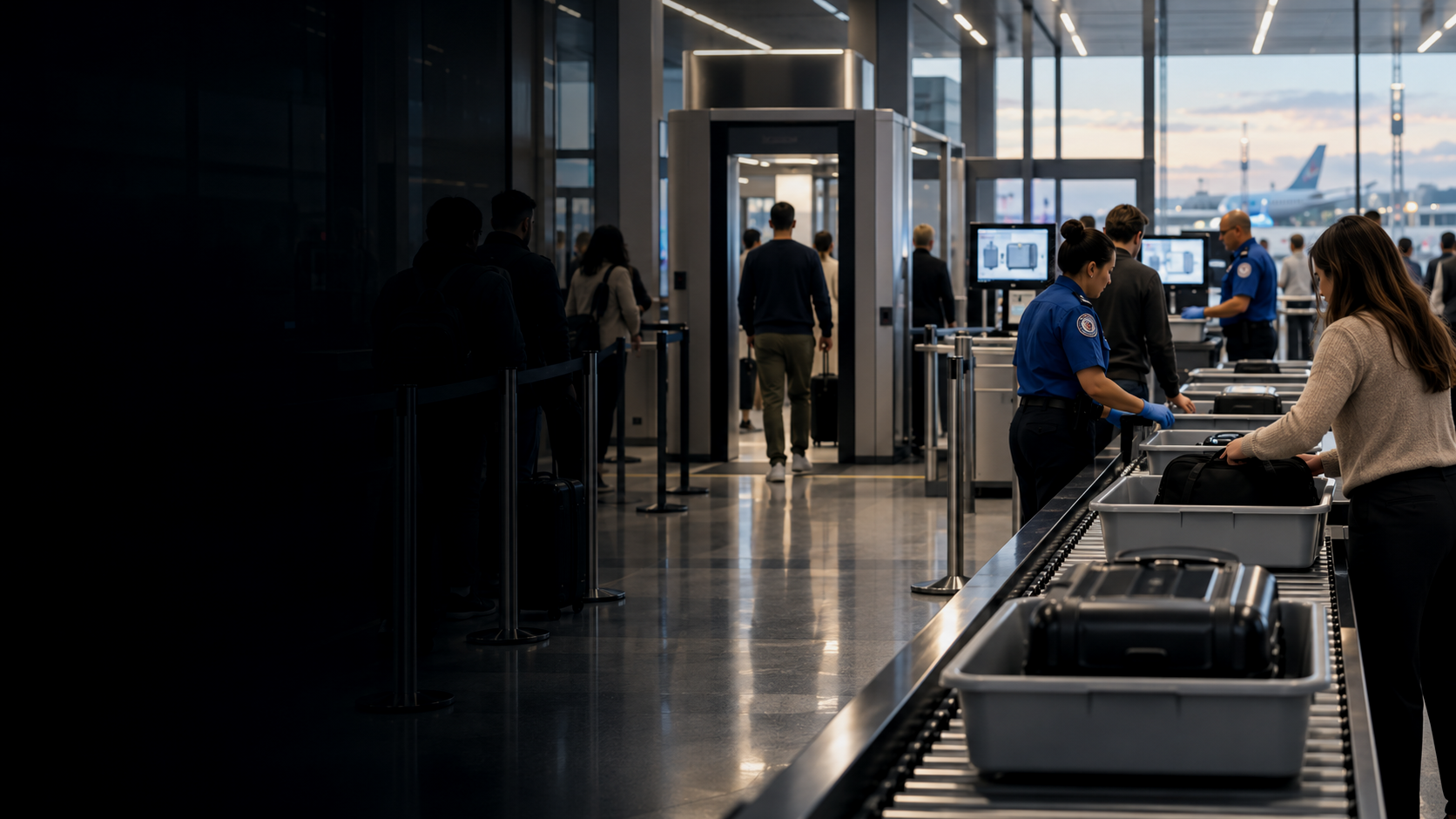
Airport security procedures vary by country and airport. Some airports require laptops and liquids to be removed from hand baggage, while newer screening systems may allow them to remain inside. Shoes, belts, jackets and electronic items may also need to be removed depending on local procedures. Follow the instructions given at the airport rather than assuming the rules will be identical to those at your departure point.
Keep important items organised and easy to reach. Passports, boarding passes, medication and electronics should not be buried at the bottom of a bag if you expect to need them repeatedly. Liquids restrictions can also differ, particularly as airports introduce new screening technology at different speeds. If in doubt, follow the more restrictive approach until you reach the checkpoint.
Travelling With Medication
Medication should normally be kept in hand luggage rather than checked baggage, particularly if it is essential. Original packaging and supporting documentation can make security checks easier, especially for prescription medicines, injectable medication or larger quantities. Liquid medication may be treated differently from ordinary liquids, but travellers should still be prepared to explain what they are carrying and provide evidence where required.
Rules around controlled medicines can vary significantly between countries. Security clearance at one airport does not necessarily mean the same medication is lawful at the destination. Check destination requirements before travel rather than relying solely on airport screening rules.
Allow Enough Time for Security
Security queues can vary dramatically. A terminal that usually takes 15 minutes to clear may take much longer during peak periods, staffing shortages or heightened security. Fast-track access can reduce waiting time where available, but it should not be treated as a guarantee.
Build enough margin into the journey that a longer than-expected queue does not immediately put the flight at risk. This is particularly important when changing terminals or connecting between airlines that require separate check-in procedures.
International Connections
Connecting through another country can be straightforward, but only if you understand the process. Some airports allow passengers to remain airside throughout the connection. Others require passengers to pass immigration, collect baggage and re-enter through departures. The difference matters because it can introduce visa requirements and significantly increase the time needed.
If both flights are on one ticket, baggage is often transferred automatically, but this should still be confirmed at check-in. Separate tickets create more risk. If the first flight is delayed and you miss the second, the onward airline may have no obligation to rebook you. A cheaper itinerary can therefore become much more expensive if the connection fails.
Transit Visas
One of the most easily overlooked issues in international travel is the transit visa. Some countries allow eligible passengers to transfer airside without formally entering the country. Others require a visa depending on nationality, destination, airport, connection length or whether the traveller must change terminals. If baggage needs to be collected and rechecked, the traveller may effectively need to enter the country, even if they never intended to leave the airport.
Visa-free entry to the final destination does not automatically mean visa-free transit everywhere along the route. Check official requirements before booking, particularly when travelling on separate tickets or through less familiar transit hubs.
Minimum Connection Time Is Not Always Comfortable
Airlines and airports publish minimum connection times, but a legal connection is not necessarily a comfortable one. A 50-minute connection may be technically valid, yet still require a long walk, security rescreening or transfer between terminals. When choosing flights, consider the airport itself.
Large hubs can involve significant distances between gates. Buses may be used for remote stands. Immigration queues can be unpredictable. A longer connection can sometimes be worth the additional waiting time, particularly on an important business trip or when missing the onward flight would create significant disruption.
Changing Terminals
Terminal changes deserve particular attention. Some airports have airside connections between terminals, while others require passengers to exit, travel landside and clear security again. Transfer buses and airport trains may be frequent, but journey time can still be substantial. Check the airport map in advance and understand whether your connection is within the same terminal.
If you are travelling with children, reduced mobility or significant hand luggage, allow additional time. Terminal transfers often feel more complicated when the traveller first discovers them after landing.
Baggage During Transit
Whether your baggage travels automatically depends on the ticket, airlines and airport. When flights are booked together under an interline agreement, baggage is commonly checked to the final destination. With separate bookings, you may need to collect and recheck it.
Ask at the first airport where the bag is tagged to. The baggage receipt normally shows the destination airport code. If you have a short connection, keeping essential items in hand luggage is particularly important. Medication, documents, chargers and a basic change of clothing can make an unexpected baggage delay much easier to manage.
Security Screening During Transit
Travellers are sometimes surprised to find themselves passing through security for a second or third time during the same journey. This is normal at many airports. Passengers arriving from certain countries may be re-screened before entering the secure departure area, even though they remained airside. Water and other liquids purchased at the previous airport may therefore be subject to fresh restrictions.
Duty-free liquids are sometimes permitted when sealed in approved tamper-evident bags with a receipt, but rules are not universal. If you have another security checkpoint ahead, avoid assuming that something accepted at the first airport will automatically pass the next.
Overnight Layovers
An overnight connection can be comfortable if planned properly and unpleasant if it is not. Check whether the airport remains open overnight and whether passengers are permitted to stay airside. Some terminals close, restrict access or have limited overnight facilities. Airport hotels can provide a useful option, but some are land-side, which may require immigration clearance and potentially a visa.
Air-side hotels and sleep pods are available at some major hubs but may sell out. If you have a long overnight transit, think about food, medication, charging facilities and access to showers or rest areas. Do not assume that normal airport services operate 24 hours a day.
Missed Connections
If you miss a connecting flight, the first step is to understand who is responsible for the onward journey. If the flights are part of a single ticket, the operating airline will often rebook the connection where the delay was within the itinerary. With separate tickets, the situation can be more difficult. The second airline may treat the missed flight as a no-show and require a new ticket.
Speak to the airline as soon as possible and avoid waiting until the original departure time has passed if you already know the connection is impossible. If disruption is widespread, hotels and alternative flights can fill quickly. Acting early can create more options.
Delays While Air-side
Long delays can be more difficult when you are already beyond security. Keep your phone charged and monitor the airline’s app as well as airport displays. Gate information can change repeatedly, and airline notifications may sometimes appear before terminal screens are updated.
Keep essential items with you and remain aware of boarding times even if the flight is significantly delayed. A delayed departure does not always mean the gate will remain open longer once boarding begins.
Immigration During Transit
Do not confuse security screening with immigration. Security is concerned with what you are carrying. Immigration determines whether you are permitted to enter or pass through a country. Depending on the journey, you may encounter one, both or neither during a connection.
If you leave the secure international transit area, you may need to satisfy normal entry requirements.This is especially important for travellers considering leaving the airport during a long layover. Check whether you are legally able to enter the country before making plans outside the terminal.
Airport Wi-Fi and Communications
Airport Wi-Fi can be useful, but it should not be your only communications plan. Some networks require SMS verification, local phone numbers or registration. Others may be slow or unreliable when terminals are busy. If you rely heavily on connectivity, consider roaming, an international eSIM or a local data option.
Download boarding passes and important booking information before leaving reliable internet access. Screenshots can also be useful if an airline app stops loading or the airport network becomes unavailable.
Protecting Your Belongings
Airports are generally controlled environments, but theft still occurs. Keep passports, wallets, phones and laptops under direct control, particularly at security checkpoints, lounges and crowded gates. One common mistake is becoming focused on collecting shoes or bags from the security belt and leaving a phone, passport or smaller item behind.
Take a moment before leaving the checkpoint to confirm that you have everything. If travelling with several electronic devices, count them before and after screening.
If You Need Assistance
Large airports can be difficult to navigate, particularly when language, mobility or time pressure is involved. Ask airport staff for help rather than trying to solve every problem alone. Airlines, transfer desks and airport information points can often provide gate directions, rebooking advice and assistance with reduced mobility.
If the situation becomes more complex because of medical, security or significant travel disruption, you may need support beyond the airport itself. Knowing who to contact before the journey makes that much easier.
Move Through Airports Better Prepared
Airports are easier to navigate when you understand the process before you arrive.
Global Traveller gives members access to destination information, travel alerts and 24/7 assistance when connections, disruption or other problems affect the journey.